Kala Dhwani

Echoes of India’s Art & Culture
30th Jan – 1st Feb
Chamara Vajra, Palace Grounds, Bengaluru

Kala Dhwani is back!
Step into a world where stories of India's tribal and folk culture come alive in every sound, move, color, fabric and taste. Witness 200+ folk and tribal artists showcasing 50+ art forms from Assam, Jammu & Kashmir, Karnataka, Kerala, Madhya Pradesh, and Maharashtra – all under one roof!
Entry Free for all!
Jan 30



What to expect?
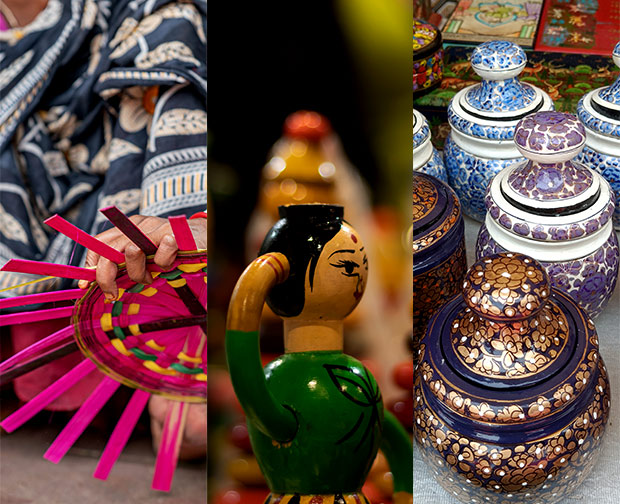
Interactive Workshops
Immerse in the art & cultural showcase and indulge in hands-on experiences directly with the artisans.
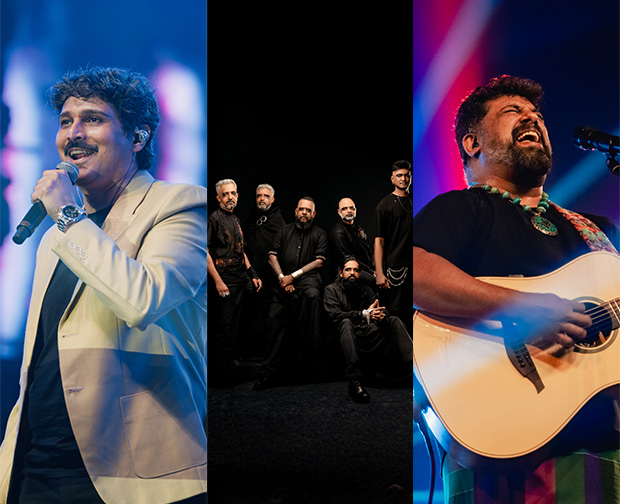
Live Performances
Enjoy performances folk and tribal performers and your favorites - Rajesh Krishnan, AGAM and Raghu Dixit!
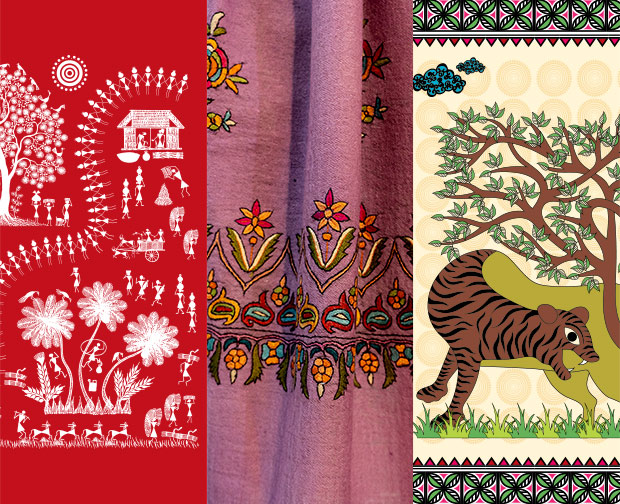
Artisan Market
Explore and buy authentic handmade folk and tribal merchandise.
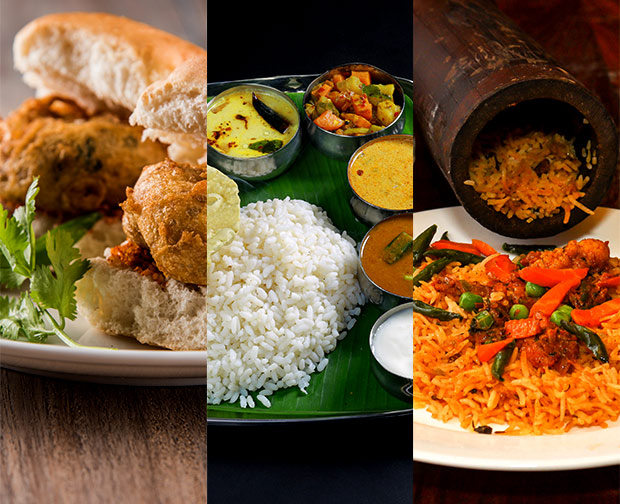
Regional Cuisines
Taste the culinary delicacies from our 6 showcase states and savor the flavors.
Best way to experience
- Plan your transportation as parking is limited.
- Arrive 30 mins early for the celebrity performance.
- Pre-register on BookMyShow for seamless entry to the venue.
About
India's tribal and folk art traditions are deeply connected to nature, local deities, vibrant festivals, and captivating narratives. These art forms, passed down through generations, offer a glimpse into India's diverse cultural heritage.
Infosys Foundation is committed to preserving India's cultural heritage, supporting artists, and bringing their art closer to people. Decades of non-representation have left tribal and folk art without an audience. With the aim of restoring India's indigenous art forms, Infosys Foundation presents Kala Dhwani: Echoes of India’s Art. Together with Bharatiya Vidya Bhavan, taking our 25+ years of collaboration further ahead, we bring you India's incredible tribal and folk heritage under one roof in Namma Bengaluru.
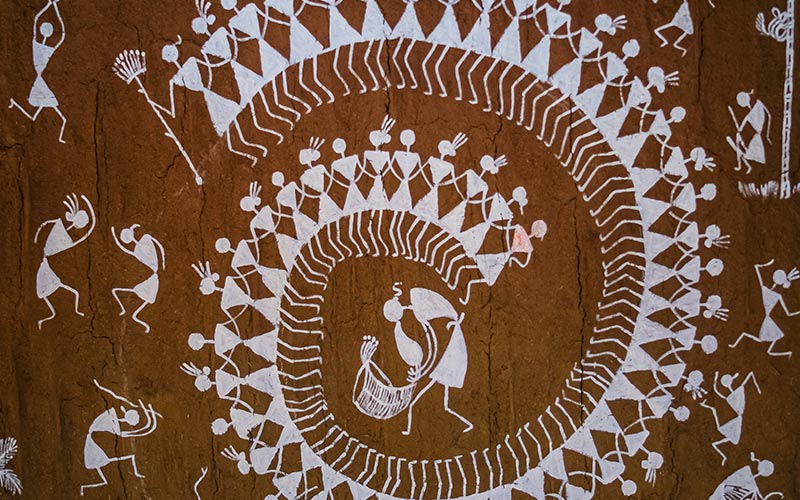
States in showcase
Karnataka
The folk and tribal culture of Karnataka has evolved over centuries, reflecting the region's history, geography, and diverse communities. In ancient times, these traditions emerged from animistic practices, nature worship, and rituals dedicated to local deities. With early tribes expressing their connection to nature through oral traditions, songs, dances, and symbolic art, Karnataka's society evolved and developed a unique cultural expression tied to their ways of life. Tribal groups like the Soligas, Koragas, Siddis, and Hakki Pikkis blended mythology, history, and social themes with different storytelling mediums preserving their historical journey from ancient to modern Karnataka.
Assam
Assam’s folk and tribal culture forms a vibrant mosaic shaped by centuries of interaction among diverse ethnic groups, agrarian traditions, and close ties to nature. Its many folk dances like Bihu, Jhumur, Bagurumba, Lailang, Domahi, and Jakha Mara, reflect the region’s seasonal rhythms, festivals, and age old customs, each expressing joy, harmony, and gratitude to the natural world. Rooted in traditions, these art forms carry the historical essence of how communities lived, celebrated, and preserved their identity across generations. Through these art forms, Assam preserves a strong cultural identity that continues to evolve while remaining rooted in its heritage. Traditional music, instruments, attire, and rituals still play central roles in public celebrations, ensuring that these practices are passed down through generations.
Kerala
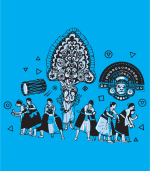
Kerala’s folk and tribal culture has grown over millennia, shaped by ancient Dravidian roots, migrations, and its deep connection to the lush Western Ghats and coastal landscape. Its traditional and ritual art forms such as Theyyam, Padayani, Thirayattam, Kolkali, and the classical giants Kathakali and Mohiniyattam, capture the state’s rhythms of nature, mythology, spirituality, and community celebration. These traditions draw from early temple rituals, ancestral worship, and agrarian life, preserving stories of gods, heroes, and local legends through vibrant performances, masks, costumes, and music passed down through generations. Kerala’s tribal communities maintain rich cultural identities rooted in forest life, agricultural practices, and profound respect for nature, contributing significantly to the state’s diverse heritage.
Jammu & Kashmir
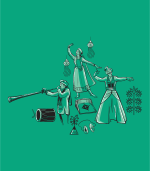
Jammu & Kashmir’s folk and tribal cultures emerged from ancient pastoral, agrarian, and mountain dwelling communities. These traditions were shaped by the Himalayas, seasonal migrations, and centuries of cultural exchange along historic trade routes. These traditions grew from everyday rhythms—harvesting, herding, winter gatherings, and sacred rituals—giving rise to expressive forms like Rouf, Dumhal, Kud, and Bhand Pather that mirror the region’s landscape, spirituality, and storytelling spirit. Their songs, movements, and rituals preserve memories of nature based living, communal values, and deep ties to the land that reveal a culture that has always drawn meaning from its environment.
Maharashtra
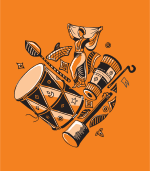
Maharashtra’s folk and tribal culture grew from the traditions of indigenous communities like the Bhil, Gond Madia, Koli, Warli, and Dhangar, each shaping distinct artistic practices passed down through oral storytelling and ritual expression. Art forms such as Lavani, Tamasha, Koli dance, Gondhal were born from court patronage, coastal life, sacred rituals, heroic ballads, and symbolic visual traditions. These performances and artworks reveal a culture that values rhythm, humour, devotion, and community memory. Many tribal crafts from ceremonial Bohada masks to Warli’s geometric storytelling preserve ancient beliefs about nature, ancestry, and cosmic order.
Madhya Pradesh
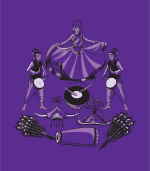
Madhya Pradesh’s folk and tribal culture grew out of the creative traditions of communities like the Gond, Bhil, Baiga, Korku, and Kol, who developed their own styles of music, movement, and visual storytelling. Over generations, art forms such as Gond painting, Karma dance, Bhagoria celebrations, and tribal metalwork became ways to express beliefs about nature, ancestry, and everyday life. These traditions highlight a worldview filled with mythic symbols, clan histories, and rituals meant to keep harmony between people and their surroundings. Many of these practices still hold meaning in village ceremonies, seasonal festivals, and family gatherings.

